
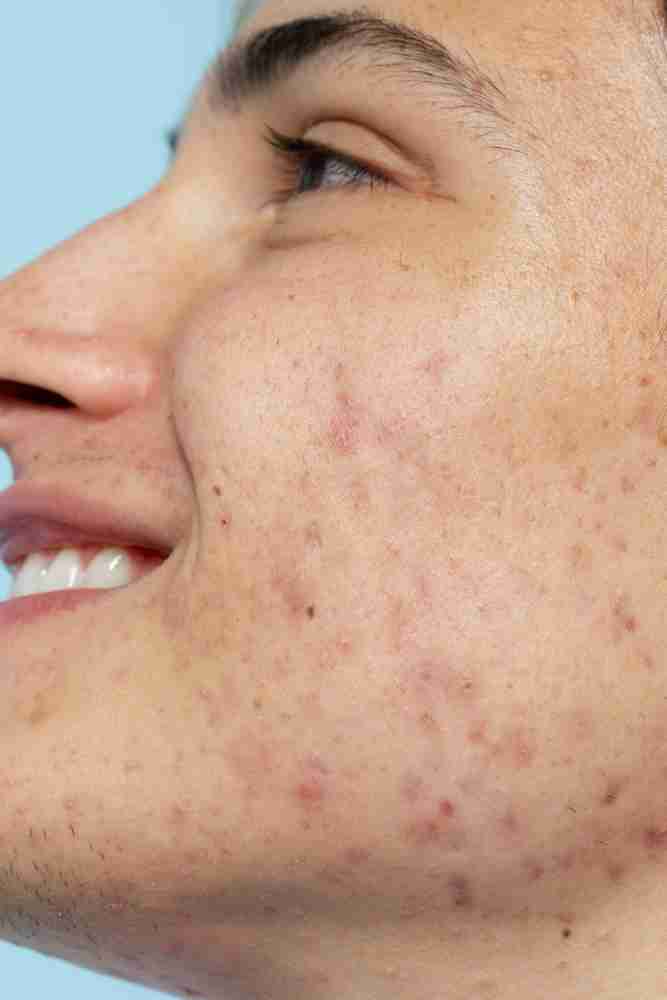
When small, pinpoint spots suddenly appear beneath the surface of your skin, it is natural to feel concerned. In the medical world, these tiny red, purple, or brown dots are known as petechiae (pronounced puh-TEE-kee-ee). While they might easily be mistaken for a minor rash or a cluster of insect bites, petechiae are fundamentally different. They represent localized micro-bleeding beneath the skin or mucous membranes.
For global patients exploring advanced diagnostic care or specialized hematological treatments, understanding the mechanism behind petechiae is the first step toward effective management.
What Are Petechiae?
Petechiae are minuscule, non-raised spots that measure less than 3 millimeters in diameter. They form when capillaries—the smallest blood vessels in your body—rupture, causing a tiny amount of blood to leak directly into the intradermal layer (the deeper layer of your skin).
The Critical “Glass Test” (Non-Blanching Rash)
The easiest way to differentiate petechiae from a standard inflammatory rash or an allergic reaction is the blanching test.
- Standard Rash: If you press a clear glass firmly against a typical inflammatory rash, the redness will fade or turn white temporarily (blanching), because you are temporarily pushing blood out of swollen vessels.
- Petechiae: When you press a glass against petechiae, the spots will not fade (non-blanching). This is because the blood has already leaked completely out of the vessel walls and is trapped in the surrounding tissue.
Common Causes of Petechiae
Petechiae are not a disease themselves; rather, they are a clinical sign of an underlying issue. The causes range from completely harmless physical strain to complex, systemic medical conditions.
1. Mechanical Strain and Physical Trauma
Minor physical pressure can cause fragile capillaries to burst. This type of petechiae is usually localized (often around the eyes, face, or neck) and resolves quickly:
- Prolonged, intense coughing or sneezing fits
- Severe vomiting
- Heavy weightlifting or intense crying
- Friction or constriction (such as from a tightly bound tourniquet or heavy backpack straps)
2. Infectious Diseases
Numerous viral, bacterial, and fungal infections can damage capillary walls or disrupt your body’s blood-clotting mechanisms.
- Meningococcemia: A life-threatening bacterial blood infection.
- Strep Throat: Severe streptococcal pharyngitis can cause petechiae on the roof of the mouth (palate).
- Viral Hemorrhagic Fevers: Illnesses like Dengue fever, Ebola, or Hantavirus.
- Infectious Mononucleosis (Mono) and Cytomegalovirus (CMV).
3. Hematological and Autoimmune Disorders
If petechiae appear globally across the body without an obvious physical trigger, it often points to an issue with blood cells or coagulation factors.
- Thrombocytopenia: A low blood platelet count. Platelets are cell fragments crucial for plugging vascular leaks; without enough of them, capillaries burst under normal pressure.
- Idiopathic Thrombocytopenic Purpura (ITP): An autoimmune state where the body mistakenly destroys its own platelets.
- Leukemia: Bone marrow cancers that crowd out healthy platelet production.
- Aplastic Anemia: A rare condition where the bone marrow fails to produce enough blood cells.
4. Medication Side Effects
Certain prescription drugs can thin the blood, lower platelet counts, or inflyme blood vessels as an adverse drug reaction:
- Anticoagulants (blood thinners like heparin or warfarin)
- Nonsteroidal anti-inflammatory drugs (NSAIDs, such as ibuprofen)
- Specific antibiotics (e.g., penicillin)
- Anticonvulsants and chemotherapeutic agents
5. Systemic and Nutritional Deficiencies
- Vitamin C Deficiency (Scurvy): Vitamin C is essential for collagen synthesis. Without it, blood vessel walls become incredibly fragile and leak easily.
- Vasculitis: Inflammation of the blood vessels, which weakens their structural integrity.
When Is It an Emergency? (Red Flag Symptoms)
While localized petechiae from a coughing fit are generally benign, a sudden, unexplained spread of these spots requires immediate medical evaluation. Seek urgent medical care if petechiae are accompanied by any of the following symptoms:
⚠️ Emergency Warning Signs:
- A rapidly spreading rash of spots across the body
- Unexplained high fever or severe chills
- Difficulty breathing or rapid heart rate
- Confusion, dizziness, or altered mental status
- Extreme lethargy or unresponsiveness
- Accompanying bruising (purpura) or bleeding from the gums, nose, or stool
Clinical Diagnosis and Treatment Options
Because petechiae are a secondary sign, treatment is entirely dependent on resolving the root cause.
Diagnostic Pathways
A physician will typically order a series of tests to pinpoint the origin of the micro-bleeding:
- Complete Blood Count (CBC): To assess platelet counts, red blood cells, and white blood cells.
- Coagulation Profiles: Tests like PT (Prothrombin Time) and PTT to see how effectively your blood clots.
- Urinalysis and Blood Cultures: To screen for underlying bacterial infections or systemic toxins.
Targeted Treatments
- Infections: Intravenous or oral antibiotics are administered for bacterial infections, while supportive therapies are used for viral causes.
- Low Platelet Counts/Autoimmunity: Corticosteroids or immunosuppressants may be prescribed to halt platelet destruction. In severe cases, platelet transfusions or therapies like IVIG (Intravenous Immunoglobulin) are utilized.
- Oncology Support: For hematological malignancies like leukemia, specialized oncology treatments, including targeted chemotherapy or bone marrow transplants, are required.
- Medication Adjustment: If a specific drug is causing the reaction, a physician will carefully manage the transition to a safer alternative.
How Ezyhealthcare Connects You to Expert Care
Navigating complex vascular or hematological symptoms can be daunting, especially when local healthcare channels face long wait times or lack specialized testing infrastructure.
Ezyhealthcare serves as your dedicated medical tourism partner, streamlining access to world-class diagnostic centers, renowned hematologists, and top-tier international hospitals. Whether you require advanced bone marrow diagnostics, specialized autoimmune therapies, or comprehensive vascular evaluations, we manage every detail of your medical journey—from initial expert consultations to travel logistics and post-treatment follow-ups.
If you or a loved one are dealing with unexplained dermatological or hematological symptoms, do not wait for clarity. Reach out to our dedicated care coordination team today.
Contact Ezyhealthcare
- 📱 SMS: 0477765003
- 💬 WhatsApp: +61 0427 877 660
- 📧 Email: info@ezyhealthcare.net
- 📍 Address: PO Box 1997 North Sydney NSW 2059
Disclaimer
The information provided in this article is for educational and informational purposes only and should not be construed as medical advice, diagnosis, or treatment. Petechiae can be a sign of a serious, life-threatening medical emergency. Always seek the advice of a qualified physician or other licensed healthcare provider with any questions you may have regarding a medical condition or symptoms. Never disregard professional medical advice or delay seeking it because of something you have read online. If you believe you are experiencing a medical emergency, call your local emergency services immediately or proceed to the nearest emergency room.
